
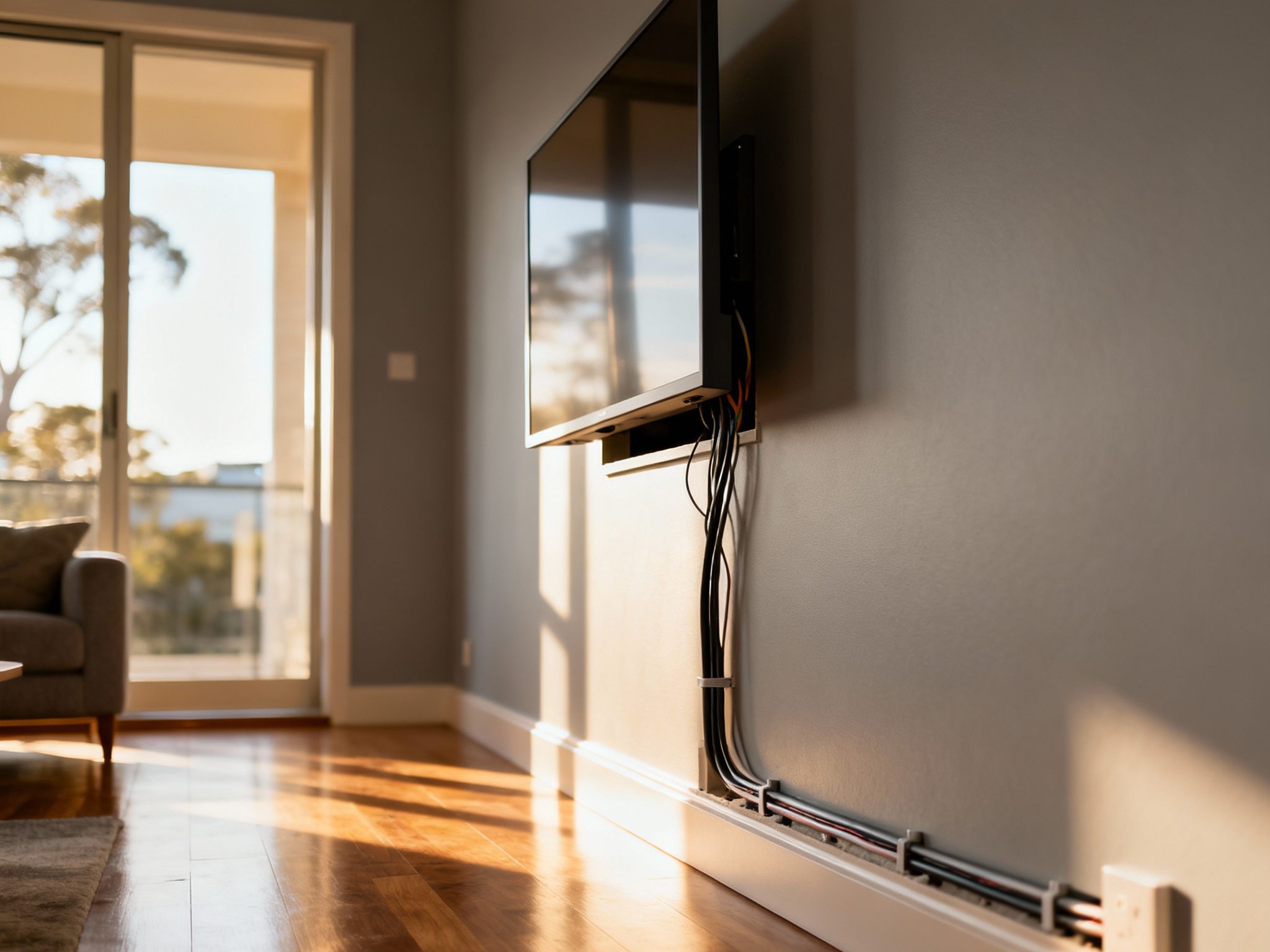
Your television hangs beautifully on the wall, perfectly positioned and securely mounted—then you notice the tangled mess of cables dangling down like an electrical waterfall completely undermining the clean aesthetic you envisioned.
If you’re asking how to hide cables from wall mounted tv in Adelaide, you’re discovering that successful wall mounting extends well beyond bracket installation to include comprehensive cable concealment creating truly finished appearances. Exposed wires trailing down walls look unprofessional, collect dust, present tripping hazards, and contradict the sleek modern look wall mounting promises.
Adelaide homes present unique cable management challenges from heritage properties restricting wall modifications to modern apartments where electrical codes govern cable routing methods. Multiple concealment approaches exist ranging from simple surface covers to professional in-wall routing, each offering different aesthetic results and installation complexity. This guide reveals professional cable management solutions transforming cluttered installations into clean entertainment setups.
Key Takeaways
- Professional cable concealment involves multiple techniques including surface-mounted covers, in-wall routing through cavities, conduit systems, and strategic outlet positioning for minimal visible wiring.
- Understanding how to hide cables from wall mounted tv in Adelaide requires knowledge of electrical codes governing power cable routing, proper signal cable handling, and Adelaide building regulations.
- Common concealment methods include paintable cable channels, in-wall fish routing, recessed power kits meeting electrical standards, and furniture-based routing strategies hiding connections.
- DIY mistakes include illegal power cable routing through walls, excessive cable bending damaging signals, mixing power and signal lines causing interference, and inadequate cable protection.
- Professional cable management combines electrical expertise, proper routing techniques, code compliance, and aesthetic vision delivering completely hidden infrastructure supporting optimal performance.
Overview
Wall-mounted televisions promise clean modern aesthetics that exposed cables completely undermine. Understanding how to hide cables from wall mounted tv in Adelaide involves examining varied concealment approaches from basic surface covers to comprehensive in-wall routing, electrical code requirements governing power cable handling, proper signal cable management preventing performance degradation, and professional techniques delivering invisible infrastructure.
Adelaide’s diverse housing from heritage cottages to modern high-rises creates varied cable management challenges and opportunities. Electrical regulations restrict power cable routing methods, heritage considerations limit wall modifications, and rental properties often prohibit permanent alterations.
Professional cable management balances aesthetic goals with safety compliance, technical requirements, and property restrictions. This exploration reveals practical concealment solutions, their applications, limitations, and why professional expertise delivers superior results.
Surface-Mounted Cable Concealment
Surface cable covers provide accessible concealment solutions when in-wall routing proves impractical or undesirable.
Paintable Cable Channels: Plastic or metal channels mount directly to wall surfaces, enclosing cables within low-profile covers. These channels accept paint matching wall colors, blending reasonably well with surroundings. Installation involves adhesive backing or small fasteners avoiding extensive wall modification.
Advantages include: • Quick installation without extensive wall modification • Accessibility for future cable changes or additions • Suitable for rental properties prohibiting permanent alterations • Relatively inexpensive compared to in-wall routing • DIY-friendly installation for basic applications
Limitations involve: • Visible upon close inspection despite paint matching • Creates slight wall protrusions potentially collecting dust • May not satisfy perfectionist aesthetic standards • Limited capacity constraining cable quantities
Decorative Cord Covers: Designer covers featuring fabric wrapping, wood grain finishes, or architectural profiles provide more attractive surface concealment than basic plastic channels. These premium options cost more but deliver better aesthetic integration.
How to Hide TV Cables in Adelaide: Professional Cable Management Solutions
Comprehensive guide to concealing cables for clean wall-mounted TV installations
| Concealment Method | Advantages | Limitations & Requirements |
|---|---|---|
| Surface-Mounted Cable Concealment | ||
| Paintable cable channels | Quick installation, accessible, rental-friendly, relatively inexpensive | Visible upon close inspection, creates slight wall protrusions |
| Installation method | Adhesive backing or small fasteners avoiding extensive wall modification | Plastic or metal channels mounted directly to wall surfaces |
| Paint matching capability | Accepts paint blending reasonably well with surroundings | Low-profile covers enclose cables within accessible channels |
| Future accessibility | Easy access for cable changes or additions without wall reopening | Suitable for rental properties prohibiting permanent alterations |
| DIY friendliness | Basic applications manageable for homeowners with minimal experience | Limited capacity constraining total cable quantities |
| Decorative cord covers | Fabric wrapping, wood grain, architectural profiles for better aesthetics | Premium options cost more but deliver superior visual integration |
| In-Wall Cable Routing Solutions | ||
| Standard in-wall routing | Completely invisible connections with professional execution | Requires professional expertise and proper materials meeting codes |
| Installation process | Small access holes behind TV and near outlets with cable fishing | Detect/avoid hidden obstacles: electrical, plumbing, structural framing |
| Access point creation | Appropriately sized holes at strategic locations for cable routing | Fish tape threads cables through enclosed wall spaces |
| Finishing touches | Low-voltage cable plates at entry and exit points | Patch any temporary access holes created during routing process |
| Critical code requirements | Low-voltage cables (HDMI, network, antenna) route freely | Power cables demand professional electrical work with proper conduit |
| Legal compliance | Standard electrical cables cannot legally route through walls unprotected | Specialized rated cable or conduit required for power connections |
| Electrical Code-Compliant Power Solutions | ||
| Recessed power kit systems | Legal code-compliant power routing through walls | Requires licensed electrical installation for safety and compliance |
| Kit components | In-wall rated power cable meeting electrical codes | Recessed outlet box mounting behind TV with proper conduit protection |
| Professional installation | Licensed electricians ensure code compliance and safety | Achieves hidden power connections while maintaining regulations |
| Additional outlet installation | New power outlets directly behind mounted TVs eliminate long runs | Requires licensed electrical work but delivers cleanest possible results |
| Extension cord prohibition | Never run standard extension cords through walls | Universally violates codes creating fire hazards and insurance denial risks |
| Signal Cable Management Techniques | ||
| Proper cable handling | Maintain gentle curves avoiding sharp bends | Minimum bend radius typically 5-7cm for HDMI cables per specifications |
| Power line separation | Prevents electromagnetic interference degrading picture/audio quality | Maintain 15-20cm separation or use shielded cables in close proximity |
| Cable quality considerations | In-wall routing demands quality cables withstanding environmental conditions | Cheap cables deteriorate faster requiring wall reopening for replacement |
| Post-installation testing | Verify HDMI handshaking, antenna reception, audio performance | Identifies issues immediately rather than after wall closure completion |
| Heritage Property Cable Management | ||
| Minimizing wall modifications | Surface routing using period-appropriate covers respects features | Heritage regulations restrict wall penetrations in protected areas |
| Baseboard routing | Conceals wiring while avoiding protected wall areas | Integrates cables invisibly into existing architectural details |
| Removable solutions | Temporary systems allow future removal without permanent alterations | Essential for heritage properties where reversibility proves critical |
| Furniture-Based Cable Management | ||
| Entertainment center integration | Purpose-built furniture includes cable management channels and cutouts | Quality pieces integrate cable management seamlessly into structure |
| Behind-furniture routing | Strategic furniture positioning against walls hides cable routing | Works particularly well with large entertainment centers or bookcases |
| Cable management accessories | Adhesive clips, under-furniture channels, cord bundling systems | Organizes cables behind furniture maintaining future flexibility |
| Common Cable Management Mistakes | ||
| Illegal power cable routing | Running standard power through walls without protection | Violates codes universally creating fire hazards and insurance denial |
| Excessive cable bending | Sharp bends damage internal wiring causing signal failures | Maintain gentle curves throughout routing paths preventing damage |
| Inadequate cable protection | Cables need protection from physical damage in walls | Sharp edges at wall penetrations potentially cut insulation |
| Poor organization | Mixing cables haphazardly creates tangled messes | Proper bundling and separation maintains organization for maintenance |
| Professional Cable Concealment Costs | ||
| Surface cable covers | $50-150 installed | Quick accessible solution for basic concealment needs |
| In-wall routing | $150-300 depending on complexity | Completely invisible results requiring professional expertise |
| Electrical outlet additions | $200-400 including licensed electrical work | Cleanest solution eliminating visible power cable runs entirely |
In-Wall Cable Routing Solutions
Running cables through wall cavities creates completely invisible connections when executed properly with appropriate materials and techniques.
Standard In-Wall Routing: Professional installers create small access holes behind TVs and near outlet locations, fishing cables through wall cavities between these points. Properly executed routing conceals cables completely while maintaining accessibility through access panels if necessary.
Process involves: • Detecting and avoiding hidden obstacles (electrical wiring, plumbing, structural framing) • Creating appropriately sized access holes at strategic locations • Using fish tape threading cables through enclosed wall spaces • Installing low-voltage cable plates at entry and exit points • Patching any temporary access holes created during routing
Critical requirements: Standard electrical cables cannot legally route through walls without proper protection. Low-voltage cables (HDMI, network, antenna connections) route freely, but power cables demand professional electrical work with appropriate conduit or specialized rated cable.
Our mission at Golden Antenna is to support our clients in enhancing their homes and lives through reliable and expert antenna installation. We guide clients to achieve seamless connectivity and a stress-free viewing experience, aligning every installation with their needs and lifestyle. The excitement of getting exactly what you want combines with the personable feeling of being understood, creating a safe, judgment-free zone where your entertainment needs receive proper attention.
Electrical Code-Compliant Power Solutions
Adelaide electrical regulations govern power cable routing methods, requiring compliance for safety and insurance coverage.
Recessed Power Kit Systems: Specialized kits designed specifically for TV installations route power cables through walls legally using proper electrical-rated components. These systems include:
• In-wall rated power cable meeting electrical codes • Recessed outlet box mounting behind TV • Proper conduit protection where required • Licensed electrical installation ensuring compliance
Professional electricians install these systems properly, maintaining code compliance while achieving hidden power connections. DIY power cable routing typically violates codes regardless of apparent simplicity.
Additional Outlet Installation: Adding new power outlets directly behind mounted TVs eliminates long cable runs entirely. This approach requires licensed electrical work but delivers cleanest possible results with minimal visible wiring.
Extension Cord Alternatives: Running standard extension cords through walls violates electrical codes universally. Never attempt this regardless of convenience—code violations create insurance claim denial risks and genuine fire hazards.
Signal Cable Management Techniques
HDMI, network, antenna, and audio cables require proper handling preventing signal degradation and maintaining performance.
Proper Cable Handling: Signal cables tolerate limited bending before internal wire damage causes performance issues. Maintain gentle curves avoiding sharp bends, particularly around wall penetrations. Manufacturer specifications indicate minimum bend radius—typically 5-7cm for HDMI cables.
Separation from Power Lines: Running signal cables parallel to power wiring introduces electromagnetic interference degrading picture and audio quality. Maintain 15-20cm separation distances when routing through walls or use shielded cables in unavoidable close-proximity situations.
Cable Quality Considerations: In-wall routing demands quality cables withstanding environmental conditions inside wall cavities. Cheap cables deteriorate faster in enclosed spaces where temperature and humidity fluctuate. Investment in quality cables prevents premature failures requiring wall reopening.
Testing After Installation: Professional installers test all signal connections after routing completion, verifying proper HDMI handshaking, antenna reception quality, and audio performance. This testing identifies issues immediately rather than discovering problems after wall closure.
Heritage Property Cable Management
Adelaide’s heritage homes require special approaches respecting architectural features while achieving modern functionality.
Minimizing Wall Modifications: Heritage regulations often restrict wall penetrations, especially in protected areas featuring decorative plasterwork or significant architectural elements. Surface routing using period-appropriate covers or strategic furniture placement provides alternatives to wall modification.
Baseboard Routing: Running cables along baseboards or within existing architectural features conceals wiring while avoiding protected wall areas. Quality installation integrates cables invisibly into existing architectural details.
Removable Solutions: Temporary cable management systems allow future removal without permanent wall alterations. This approach suits heritage properties where reversibility proves essential for regulatory compliance.
Furniture-Based Cable Management
Strategic furniture arrangement and integrated cable routing systems provide concealment without wall modification.
Entertainment Center Integration: Purpose-built entertainment furniture includes cable management channels, backing cutouts, and routing systems concealing connections within furniture structures. Quality pieces integrate cable management seamlessly.
Behind-Furniture Routing: Positioning furniture strategically against walls allows routing cables behind pieces where visibility disappears. This approach works particularly well with large entertainment centers, bookcases, or storage units.
Cable Management Accessories: Adhesive cable clips, under-furniture channels, and cord bundling systems organize cables behind furniture preventing visible tangles while maintaining flexibility for future changes.
Common Cable Management Mistakes
Illegal Power Cable Routing: Running standard power cables through walls without proper protection violates electrical codes universally. This dangerous practice creates fire hazards and insurance coverage denial risks.
Excessive Cable Bending: Sharp cable bends damage internal wiring causing intermittent failures or complete signal loss. Maintain gentle curves throughout routing paths.
Inadequate Cable Protection: Cables routed through walls require protection from physical damage, especially at wall penetration points where sharp edges potentially cut insulation.
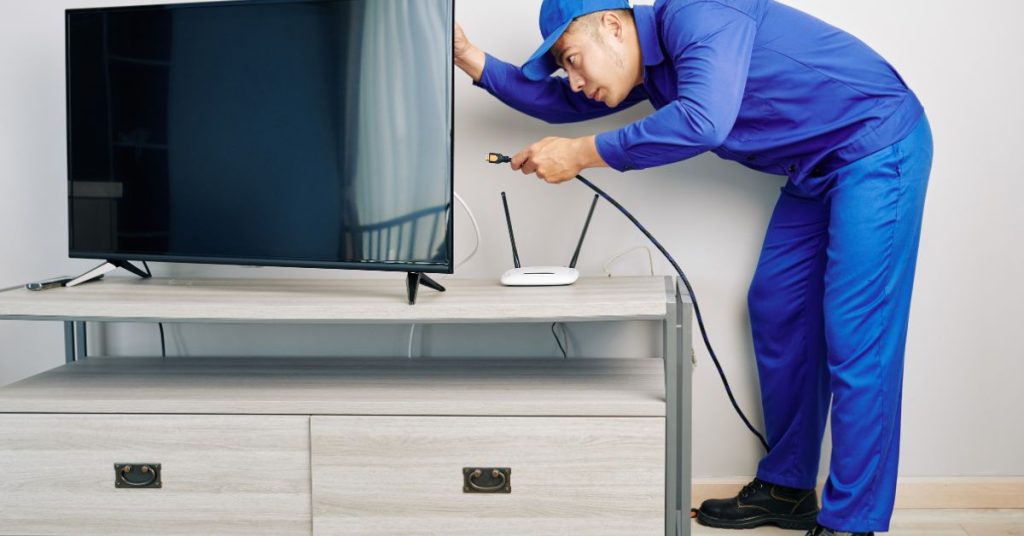
Poor Organization: Mixing cables haphazardly creates tangled messes complicating future maintenance or modifications. Proper bundling and separation maintains organization.
Consumer Tips for Cable Concealment
- Plan cable management during initial TV mounting rather than afterthought additions
- Count all cables requiring concealment—power, HDMI, antenna, network, soundbar connections
- Consult licensed electricians for any power cable routing through walls
- Consider future device additions when planning cable capacity
- Photograph cable routing before wall closure documenting paths for future reference
- Label cables at both ends simplifying future troubleshooting or modifications
- Invest in quality cables for in-wall routing preventing premature failures
- Verify rental property restrictions before permanent wall modifications
When asking how to hide cables from wall mounted tv in Adelaide, professional cable management delivers completely concealed infrastructure meeting electrical codes while maintaining signal quality. Golden Antenna provides comprehensive cable concealment services including surface mounting, in-wall routing, and coordinated electrical work.
Located in Adelaide S.A. 5000 and reachable at 0403 711 983, we deliver professional cable management combining technical expertise, aesthetic vision, and code compliance. Our approach creates invisible infrastructure supporting optimal TV performance while respecting Adelaide building regulations and heritage property requirements.
Frequently Asked Questions
Q: Can I run power cables through walls myself?
A: No—power cable routing requires licensed electricians ensuring code compliance and safety. DIY power routing violates electrical codes creating fire hazards and insurance coverage denial risks.
Q: How much does professional cable concealment cost?
A: Surface cable covers cost $50-150 installed. In-wall routing ranges $150-300 depending on complexity. Adding electrical outlets costs $200-400 including licensed electrical work.
Q: Will hiding cables affect signal quality?
A: Properly routed cables maintain signal quality when appropriate separation from power lines is maintained and quality cables are used. Poor routing introduces interference degrading performance.
Q: Can cables route through brick walls?
A: Yes, but drilling brick requires specialized equipment and techniques. Professional installers create appropriate routing paths through brick or around obstacles as needed.
Q: Are wireless HDMI solutions effective alternatives?
A: Wireless HDMI technology works for some applications but introduces latency unsuitable for gaming and costs significantly more than wired solutions. Wired connections provide superior reliability.
Conclusion
Understanding how to hide cables from wall mounted tv in Adelaide reveals multiple concealment approaches from surface-mounted covers to professional in-wall routing. Surface channels provide accessible DIY-friendly solutions while in-wall routing delivers completely invisible results requiring professional expertise.
Electrical codes govern power cable handling, demanding licensed electrical work for code-compliant installations. Signal cable management requires proper handling preventing performance degradation. Heritage properties need special approaches respecting architectural features. Common mistakes including illegal power routing and excessive cable bending compromise safety and performance.
Professional cable management combines electrical expertise, proper techniques, and aesthetic vision. Golden Antenna delivers comprehensive cable concealment throughout Adelaide. Contact us at 0403 711 983 for professional cable management creating clean installations with completely hidden infrastructure.
