
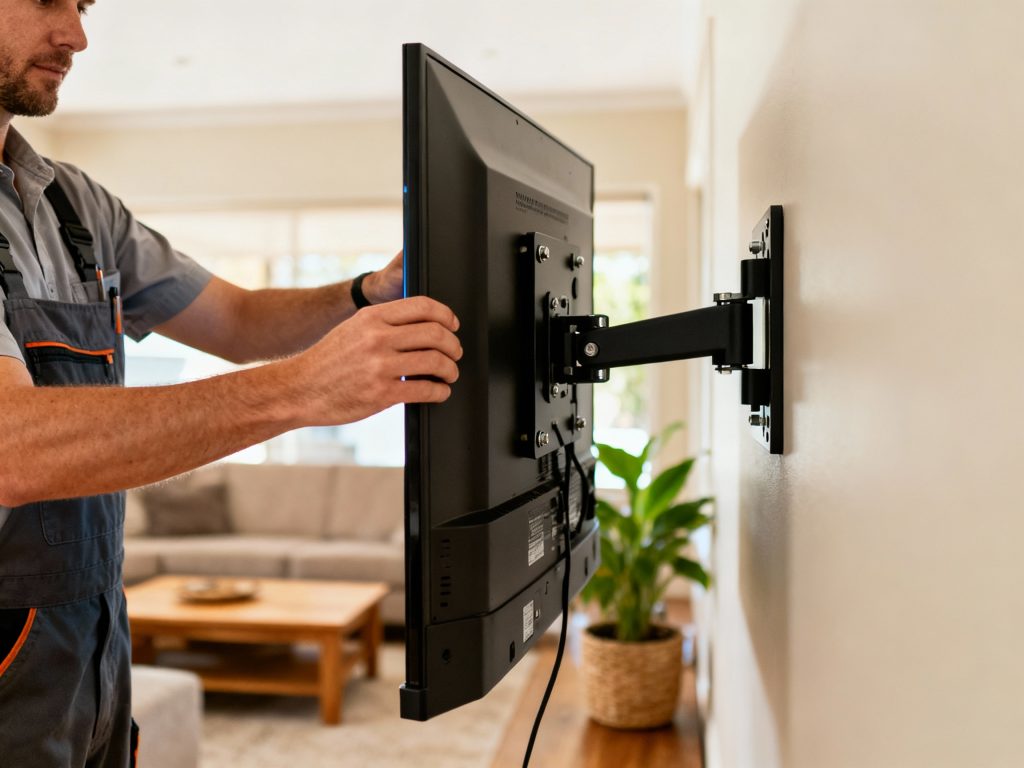
Fixed TV mounts position screens permanently against walls offering no adjustment after installation, while full-motion articulating systems provide extensive movement at premium prices and complexity. Tilting mounts occupy the middle ground—offering vertical angle adjustments addressing specific viewing challenges without articulating mount expense or complexity.
If you’re asking about the best tilting tv wall mount for viewing in Adelaide, you’re recognizing situations where vertical angle adjustment proves valuable while horizontal movement remains unnecessary. Adelaide homes present numerous scenarios where tilting functionality delivers genuine benefits—bedrooms with elevated TV positions requiring downward tilt, living rooms with high mounting avoiding fireplaces or architectural features, and situations where glare from windows demands angle adjustments.
Understanding tilting mount mechanisms, situations benefiting from tilt capability, quality differences affecting performance, and proper installation techniques helps maximize this versatile mounting option. This guide reveals when tilting mounts provide optimal solutions, quality selection criteria, installation best practices, and honest assessment of situations where alternative mount types prove superior.
Key Takeaways
- Tilting TV wall mounts provide vertical angle adjustment typically 5-15 degrees downward, addressing high mounting positions, glare reduction, and viewing angle optimization without full articulation complexity.
- Understanding the best tilting tv wall mount for viewing in Adelaide requires evaluating tilt range requirements, quality construction differences, weight capacity specifications, and specific viewing scenario needs.
- Primary tilting mount benefits include reducing neck strain from high mounting, minimizing screen glare from windows or lighting, accommodating varied seating heights, and maintaining slimmer profiles than articulating mounts.
- Quality differences involve metal gauge thickness, locking mechanism reliability, tilt adjustment smoothness, weight rating accuracy, and long-term stability under sustained loads without loosening.
- Optimal applications include bedroom mounting above dressers, living room positions above fireplaces, kitchen installations for standing viewing, and situations where fixed mounting creates uncomfortable angles.
Overview
Tilting mount technology bridges the gap between simple fixed brackets and complex articulating systems, providing targeted functionality addressing specific viewing challenges. Understanding the best tilting tv wall mount for viewing in Adelaide involves examining tilt mechanism designs enabling angle adjustments, situations where vertical movement proves genuinely beneficial versus unnecessary, quality construction separating reliable products from problematic options, and installation techniques ensuring proper tilt function.
Adelaide’s diverse living situations create numerous tilting mount applications—compact apartments where space constraints force higher mounting, heritage homes positioning TVs above architectural features, and modern open-plan areas accommodating varied seating arrangements. Tilting mounts typically cost $60-180, positioning between $30-100 fixed mounts and $120-400+ articulating systems.
This middle-ground pricing reflects moderate complexity—more sophisticated than fixed brackets yet simpler than full-motion alternatives. Professional installation optimizes tilt positioning, ensuring mechanisms function smoothly while supporting TV weight securely through varied angles. This exploration reveals tilting mount advantages, optimal applications, quality assessment criteria, and installation best practices.
Tilting Mount Mechanism Explained
Understanding how tilting systems function helps assess quality and performance expectations.
Basic Tilt Mechanism: Tilting mounts feature two main components—wall mounting plate attaching to wall studs and TV mounting bracket connecting to television. These components join through pivot points allowing controlled vertical angle adjustment.
Typical tilt ranges:
- Budget mounts: 5-10 degrees downward tilt
- Standard mounts: 8-12 degrees downward tilt
- Premium mounts: 10-15 degrees downward tilt
- Specialized mounts: Up to 20 degrees for extreme applications
Locking mechanisms: Quality tilting mounts incorporate locking systems maintaining selected angles against TV weight. These mechanisms range from simple friction systems to sophisticated ratcheting locks providing precise angle control.
Installation clearance: Tilting mechanisms require 5-10cm wall clearance accommodating pivot movement and TV thickness. This clearance exceeds fixed mount profiles (2-5cm) but remains substantially less than articulating arms (10-50cm).
Our mission at Golden Antenna is to support our clients in enhancing their homes and lives through reliable and expert antenna installation. We guide clients to achieve seamless connectivity and a stress-free viewing experience, aligning every installation with their needs and lifestyle. The excitement of getting exactly what you want combines with the personable feeling of being understood, creating a safe, judgment-free zone where your entertainment needs receive proper attention.
Tilting TV Wall Mounts in Adelaide: Benefits and Best Practices
Expert guide to tilting mount functionality and optimal applications
| Tilting Mount Aspect | Specifications & Features | Benefits & Applications |
|---|---|---|
| Tilting Mount Mechanism and Specifications | ||
| Basic tilt mechanism | Wall plate + TV bracket joined through pivot points | Controlled vertical angle adjustment with locking systems |
| Budget mount tilt range | 5-10 degrees downward tilt | Basic angle adjustment for modest mounting elevation |
| Standard mount tilt range | 8-12 degrees downward tilt | Most common range suitable for typical applications |
| Premium mount tilt range | 10-15 degrees downward tilt | Greater adjustment range for elevated mounting positions |
| Specialized mount range | Up to 20 degrees for extreme applications | Addresses significantly high mounting requirements |
| Installation clearance | 5-10cm wall clearance for pivot movement | Exceeds fixed (2-5cm) but less than articulating (10-50cm) |
| Pricing position | $60-180 middle-ground pricing | Between fixed ($30-100) and articulating ($120-400+) mounts |
| Primary Benefits of Tilting Mounts | ||
| Reducing neck strain | Downward tilt compensates for high mounting positions | Above fireplaces, tall dressers, architectural features |
| Glare minimization | Angle adjustments deflect window reflections away | Particularly valuable in Adelaide’s sunny west-facing rooms |
| Varied seating accommodation | Optimizes angles for different viewer eye levels | Sofas, recliners, floor cushions, bar stools without repositioning |
| Ceiling light reflection control | Tilting forward reduces overhead lighting reflections | Improves picture visibility eliminating screen glare |
| Multi-purpose room flexibility | Accommodates different room usage scenarios | Bedroom TV tilt for bed viewing vs exercise equipment positioning |
| Optimal Application Scenarios | ||
| Bedroom applications | TVs mounted higher than optimal seated height | Downward tilt creates comfortable bed viewing angles |
| Above-fireplace mounting | Compensates through downward angle adjustment | Reduces neck strain from elevated positions (heat concerns remain) |
| Kitchen and bar areas | Standing eye level with downward tilt capability | Accommodates occasional seated viewing without compromising primary use |
| High-ceiling rooms | Architectural considerations necessitate elevated mounting | Addresses viewing angle challenges where lower mounting impractical |
| Multi-height seating | Living areas combining sofas, recliners, floor seating | Optimizes for primary seating maintaining reasonable secondary viewing |
| Quality Assessment Criteria | ||
| Metal construction gauge | Premium: 2-3mm thickness vs Budget: 1-1.5mm | Heavy-gauge steel provides rigid support resisting deflection |
| Locking mechanism quality | Metal-on-metal contact with positive locking positions | Maintains selected angles reliably without gradual loosening |
| Pivot point engineering | Reinforced assemblies with proper bearings or bushings | Distributes TV weight evenly preventing accelerated wear |
| Weight rating accuracy | Conservative ratings with adequate safety margins | Reputable manufacturers vs budget imports overstating capacity |
| Adjustment smoothness | Smooth controlled tilt requiring minimal force | Single-person adjustment without tools or excessive effort |
| Finish durability | Quality powder coating or plating resists corrosion | Maintains appearance long-term, especially in coastal Adelaide areas |
| Installation Best Practices | ||
| Stud mounting priority | Tilting mechanisms create leverage against mounting points | Always mount to wall studs for adequate dynamic loading support |
| Level installation critical | Perfectly level wall plate ensures TV appears level throughout range | Unlevel mounting becomes obviously visible when tilting forward |
| Adequate wall clearance | Verify sufficient space throughout full tilt range | Inadequate clearance causes TV/wall contact during adjustment |
| Cable management planning | Route cables accommodating angle changes without stress | Provide adequate slack preventing pulling or binding during tilting |
| Mechanism testing | Test full tilt range after installation | Verify smooth operation, adequate locking, stable positioning |
| Periodic maintenance | Tilting mechanisms experience greater stress than fixed mounts | Periodically verify fasteners tight and locking mechanisms functional |
| Tilting Mount Limitations | ||
| No horizontal adjustment | Only vertical angle changes provided | Side-to-side viewing accommodation requires articulating mounts |
| Limited position optimization | Addresses high mounting but not poor relative positioning | Proper initial positioning remains essential for viewing comfort |
| Weight capacity often lower | Pivot points sometimes feature reduced weight ratings | Verify capacity adequately exceeds TV weight before purchase |
| Increased installation complexity | More components and adjustment considerations than fixed | DIY installation presents greater challenge and error potential |
| Potential mechanism wear | Pivot points and locks experience ongoing stress | May develop play or loosening over years (quality minimizes this) |
| When Alternative Mounts Prove Superior | ||
| Fixed mounts for optimal positioning | When initial placement achieves perfect viewing angles | Cost less, install simpler, provide slimmer wall profiles |
| Articulating for multi-direction | Vertical and horizontal adjustment or varied viewing positions | Justify articulating mount complexity and expense |
| Ceiling mounts for specific uses | Bedroom or commercial applications benefit from ceiling mounting | Provide adjustment capabilities tilting mounts cannot match |
| Professional Selection Guidance | ||
| Needs assessment | Honestly assess if tilt addresses genuine needs | Avoid unnecessary features adding cost without benefit |
| Quality over cost savings | Prioritize construction quality over minor price differences | Mechanisms fail on cheap mounts creating future problems |
| Weight rating verification | Substantially exceed TV weight accounting for tilt leverage | Dynamic loading requires greater safety margins than fixed |
| Tilt range selection | Match actual requirements—excessive range adds unnecessary cost | 8-12 degrees suits most applications adequately |
| Review research | Focus on long-term performance and mechanism reliability | Professional reviews reveal quality issues consumer reviews miss |
| Future-proofing | Select mounts with capacity for larger TV replacements | Adequate capacity provides upgrade flexibility without reinstallation |
Primary Benefits of Tilting Mounts
Tilting functionality addresses specific viewing challenges that fixed mounting cannot accommodate.
Reducing Neck Strain from High Mounting: Situations forcing TV mounting above optimal eye level—above fireplaces, tall dressers, or architectural features—create sustained upward viewing angles causing neck discomfort. Downward tilt compensates partially, reducing strain during extended viewing sessions.
Glare Minimization: Window placement creating screen reflections proves problematic with fixed mounting. Tilting capability allows angle adjustments deflecting glare away from viewing positions. Adelaide’s abundant sunshine makes glare management particularly valuable in west-facing rooms.
Accommodating Varied Seating Heights: Rooms with diverse seating—standard sofas, recliners, floor cushions, bar stools—create different viewer eye levels. Tilting adjustment optimizes angles for primary seating types without repositioning furniture.
Ceiling Light Reflection Control: Overhead lighting reflecting off TV screens creates viewing difficulties. Tilting screens slightly forward reduces these reflections improving picture visibility.
Multi-Purpose Room Flexibility: Rooms serving varied functions benefit from tilt adjustment accommodating different usage scenarios. Bedroom TVs tilt differently for bed viewing versus exercise equipment positioning.
Situations Where Tilting Mounts Excel
Specific scenarios particularly benefit from tilting mount functionality.
Bedroom Applications: TVs mounted on walls opposite beds typically position higher than optimal seated viewing height. Downward tilt creates comfortable bed viewing angles without excessively low wall mounting interfering with furniture placement.
Above-Fireplace Mounting: Fireplace positions force higher mounting than ergonomic standards recommend. Tilting mounts compensate through downward angle adjustment reducing neck strain from elevated positions. However, heat exposure remains a concern regardless of tilt capability.
Kitchen and Bar Areas: Kitchen TV viewing often occurs from standing positions during cooking or elevated bar seating. Mounting TVs at standing eye level with downward tilt accommodates occasional seated viewing without compromising primary standing usage.
High-Ceiling Rooms: Architectural considerations in high-ceiling Adelaide homes sometimes necessitate elevated TV mounting. Tilting functionality addresses resulting viewing angle challenges where lower mounting proves impractical.
Multi-Height Seating Arrangements: Living areas combining standard sofas with recliners or floor seating create varied viewer eye levels. Tilting adjustment optimizes for primary seating while maintaining reasonable viewing from secondary positions.
Quality Assessment Criteria
Tilting mount quality varies substantially across price ranges—understanding construction differences prevents problematic purchases.
Metal Construction Gauge: Premium mounts use heavy-gauge steel (2-3mm thickness) providing rigid support resisting deflection under TV weight. Budget options use thinner metal (1-1.5mm) potentially sagging or developing play over time.
Locking Mechanism Quality: Superior locking systems maintain selected angles reliably without gradual loosening. Quality mechanisms feature metal-on-metal contact, positive locking positions, and adequate friction preventing unintended movement. Cheap plastic components or inadequate friction allow TVs gradually tilting from selected positions.
Pivot Point Engineering: Well-designed pivot points distribute TV weight evenly across bearing surfaces preventing accelerated wear. Quality mounts use reinforced pivot assemblies, proper bearings or bushings, and adequate sizing supporting rated weights through full tilt range.
Weight Rating Accuracy: Reputable manufacturers provide conservative weight ratings with adequate safety margins. Budget imports often overstate capacity—a mount claiming 50kg capacity may struggle reliably supporting 30kg. Verify ratings through professional reviews or established brand reputations.
Adjustment Smoothness: Premium mounts feature smooth controlled tilt adjustment requiring minimal force while maintaining stability. Quality engineering allows single-person adjustment without tools or excessive effort.
Finish Durability: Quality powder coating or plating resists corrosion and wear maintaining appearance long-term. Cheap finishes deteriorate, particularly in coastal Adelaide areas with salt exposure.
Installation Best Practices
Proper installation maximizes tilting mount performance and longevity.
Stud Mounting Priority: Tilting mechanisms create leverage against mounting points when adjusted. Always mount to wall studs providing adequate support for dynamic loading. Hollow-wall mounting proves even more problematic with tilting mounts than fixed installations.
Level Installation Critical: Perfectly level wall plate installation ensures TV appears level throughout tilt range. Unlevel mounting becomes obviously visible when tilting TV forward.
Adequate Wall Clearance: Verify sufficient clearance exists between wall and TV back throughout full tilt range. Inadequate clearance causes TV contact with walls during adjustment potentially damaging screens or wall surfaces.
Cable Management Planning: Tilting movement requires cable routing accommodating angle changes without excessive stress. Provide adequate slack and secure cables preventing pulling or binding during tilt adjustments.
Mechanism Testing: After installation, test full tilt range verifying smooth operation without binding, adequate locking at all positions, and stable TV positioning throughout adjustment range.
Periodic Tightening: Tilting mechanisms experience greater stress than fixed mounts. Periodically verify all fasteners remain tight and locking mechanisms function properly maintaining selected angles.
Tilting Mount Limitations
Understanding tilting mount constraints prevents inappropriate applications or unrealistic expectations.
No Horizontal Adjustment: Tilting mounts provide only vertical angle changes. Situations requiring side-to-side viewing angle accommodation need articulating mounts instead.
Limited Viewing Position Optimization: Tilting addresses high-mounted TV angles but cannot compensate for poor positioning relative to seating arrangements. Proper initial positioning remains essential.
Weight Capacity Often Lower: Tilting mechanisms supporting TV weight through pivot points sometimes feature reduced weight ratings compared to equivalent fixed mounts. Verify capacity adequately exceeds TV weight.
Increased Installation Complexity: Tilting mounts involve more components and adjustment considerations than fixed brackets. DIY installation presents greater challenge and error potential.
Potential Mechanism Wear: Pivot points and locking mechanisms experience ongoing stress potentially developing play or loosening over years. Quality construction minimizes but doesn’t eliminate this gradual wear.
When Alternative Mounts Prove Superior
Despite tilting mount advantages, specific situations benefit from different mounting approaches.
Fixed Mounts for Optimal Positioning: When initial TV positioning achieves perfect viewing angles, tilting capability proves unnecessary. Fixed mounts cost less, install simpler, and provide slimmer wall profiles.
Articulating Mounts for Multi-Direction Viewing: Situations requiring both vertical and horizontal angle adjustment or viewing from varied room positions justify articulating mount complexity and expense.
Ceiling Mounts for Specific Applications: Some bedroom or commercial applications benefit from ceiling mounting providing adjustment capabilities tilting mounts cannot match.
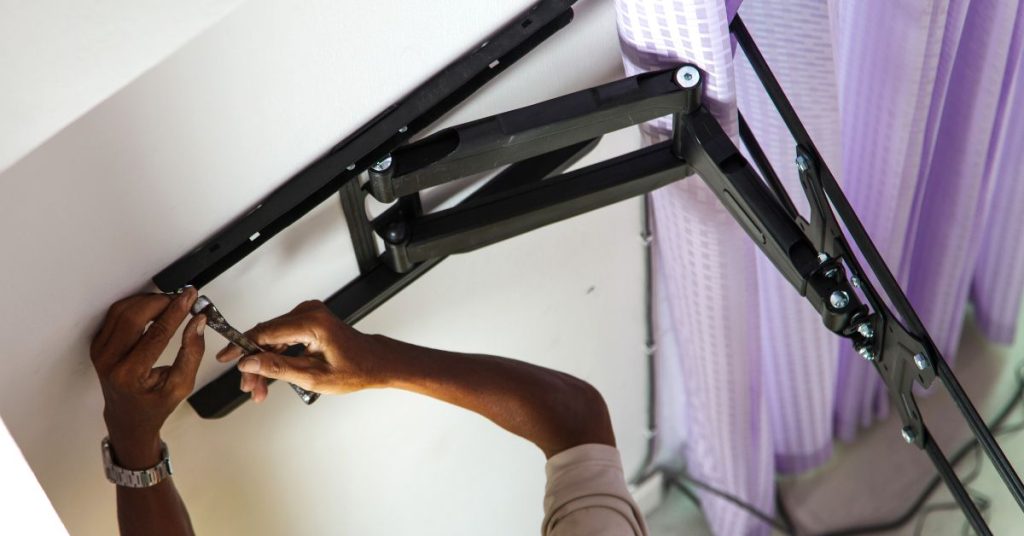
Consumer Tips for Tilting Mount Selection
- Honestly assess whether tilt functionality addresses genuine needs versus unnecessary features
- Prioritize quality construction over minor cost savings—mechanisms fail on cheap mounts
- Verify weight ratings substantially exceed TV weight accounting for leverage during tilting
- Select tilt ranges matching actual requirements—excessive range adds cost without benefit
- Read professional reviews focusing on long-term performance and mechanism reliability
- Consider future TV upgrades selecting mounts with adequate capacity for larger replacements
- Verify return policies allowing returns if tilt function proves inadequate for needs
- Choose established brands with warranty support over unknown imports
When seeking the best tilting tv wall mount for viewing in Adelaide, quality tilting mounts address specific viewing challenges through vertical angle adjustment within moderate pricing.
Golden Antenna provides expert consultation on tilting mount selection, evaluating whether tilt functionality suits your viewing scenarios, and professional installation throughout Adelaide. Located in Adelaide S.A. 5000 and reachable at 0403 711 983, we help clients select appropriate tilting mounts from quality manufacturers, install systems properly ensuring smooth operation, and optimize positioning for comfortable viewing.
Our experience with varied Adelaide homes identifies situations where tilting mounts deliver genuine benefits versus alternatives proving superior.
Frequently Asked Questions
Q: Do I really need tilting capability or will fixed mounts suffice?
A: Tilting proves valuable when mounting above optimal eye level or managing glare issues. Properly positioned fixed mounts work excellently when initial placement achieves comfortable viewing without adjustment needs.
Q: Can tilting mounts support the same TV weight as fixed mounts?
A: Quality tilting mounts support comparable weights to fixed options, though some models feature reduced capacity due to pivot point limitations. Always verify specific weight ratings exceed your TV substantially.
Q: How much downward tilt do I actually need?
A: Most applications benefit from 8-12 degrees downward tilt. Greater ranges suit extreme high mounting situations while lesser tilt suffices for modest elevation above optimal positions.
Q: Will tilting mechanisms eventually loosen requiring adjustment?
A: Quality mounts maintain selected angles reliably for years. Budget options with inferior mechanisms may develop loosening requiring periodic tightening or eventual replacement.
Q: Can I install tilting mounts without professional help?
A: Tilting mounts involve greater complexity than fixed brackets but remain within capable DIY ability. However, proper installation proves critical for safe operation—professional installation guarantees correct execution.
Conclusion
Understanding the best tilting tv wall mount for viewing in Adelaide reveals that tilting mounts provide targeted vertical angle adjustment addressing high mounting positions, glare reduction, and viewing optimization. Typical tilt ranges of 5-15 degrees downward compensate for elevated TV placement without full articulation complexity. Primary benefits include reduced neck strain, minimized glare, and accommodation of varied seating heights.
Quality assessment focuses on metal gauge, locking mechanism reliability, pivot engineering, and weight rating accuracy. Optimal applications include bedroom mounting, above-fireplace positions, kitchen installations, and multi-height seating areas. Installation best practices emphasize stud mounting, level installation, and adequate clearance. Limitations include no horizontal adjustment and potential mechanism wear over time.
Professional guidance determines whether tilting functionality suits specific situations or alternatives prove superior. Golden Antenna provides expert tilting mount consultation and installation throughout Adelaide. Contact us at 0403 711 983 for professional tilting mount selection and installation optimizing your viewing comfort.
