

Staring at your pristine plasterboard walls, the thought of drilling holes and mounting heavy televisions creates genuine anxiety about potential damage. Will mounting leave permanent marks, create unsightly cracks, or weaken wall integrity? If you’re asking can tv mount damage plasterboard walls in Adelaide, you’re rightfully concerned about protecting your property investment while achieving modern entertainment setups.
Plasterboard walls dominate modern Adelaide construction, offering smooth finishes and easy installation but presenting legitimate mounting challenges compared to solid brick or timber. The reality involves nuanced answers—proper professional mounting creates minimal repairable damage, while improper DIY attempts frequently cause extensive problems requiring expensive professional repair.
Understanding damage risks, proper mounting techniques, and when professional expertise proves essential helps protect your walls while enjoying wall-mounted entertainment. This guide examines plasterboard damage potential, prevention strategies, and repair options.
Key Takeaways
- Professional TV mounting on plasterboard creates minimal damage limited to small fastener holes that patch easily, while improper installation causes extensive cracking, crumbling, and structural compromise.
- Understanding can tv mount damage plasterboard walls in Adelaide requires distinguishing between proper stud mounting causing negligible damage and incorrect plasterboard-only anchoring creating failures.
- Common damage types include anchor pull-through from inadequate weight support, stress cracks from improper fastening, surface crushing from over-tightening, and extensive damage from failed installations.
- Prevention strategies involve accurate stud location, appropriate anchor selection for plasterboard characteristics, correct drilling technique, and proper weight distribution across mounting points.
- Professional installation minimizes damage through proper techniques, appropriate equipment, and expertise recognizing plasterboard limitations preventing common mistakes causing extensive wall damage.
Overview
Plasterboard construction provides cost-effective smooth wall surfaces throughout modern Adelaide homes while creating specific mounting challenges. Understanding can tv mount damage plasterboard walls in Adelaide involves examining plasterboard characteristics making it vulnerable to mounting damage, proper installation techniques minimizing wall impact, common mistakes causing extensive damage, and professional expertise preventing problems. Plasterboard consists of gypsum core between paper layers—relatively fragile compared to solid brick or timber.
Mounting directly to plasterboard without proper support guarantees eventual damage, while stud mounting creates only minor repairable holes. Adelaide’s climate variations affect plasterboard condition, with moisture exposure weakening walls substantially. This exploration reveals realistic damage expectations, prevention strategies, and when professional mounting protects wall integrity.
Plasterboard Characteristics and Vulnerabilities
Understanding plasterboard construction explains mounting damage risks and prevention requirements.
Plasterboard composition: Gypsum powder compressed between heavy paper facing creates rigid sheets 10mm or 13mm thick. This composition provides excellent fire resistance and smooth surfaces but limited structural strength for supporting heavy objects without proper backing.
Vulnerability factors:
Limited Compression Strength: Excessive pressure crushes gypsum core permanently. Over-tightened fasteners create compression damage weakening holding capacity significantly.
Edge Brittleness: Plasterboard edges crumble easily under stress concentration. Fasteners positioned too close to edges or corners cause cracking and crumbling during installation or under sustained load.
Moisture Sensitivity: Water exposure softens gypsum dramatically, reducing structural integrity. Adelaide bathrooms, laundries, and areas with moisture problems present higher damage risks.
Hollow Construction: Standard plasterboard installations feature hollow cavities between studs. Mounting into hollow areas without proper anchors guarantees failure regardless of fastener type.
Paper Facing Damage: Tears in paper facing compromise plasterboard integrity. Improper drilling or forceful anchor installation damages facing requiring extensive repair.
Our mission at Golden Antenna is to support our clients in enhancing their homes and lives through reliable and expert antenna installation. We guide clients to achieve seamless connectivity and a stress-free viewing experience, aligning every installation with their needs and lifestyle.
The excitement of getting exactly what you want combines with the personable feeling of being understood, creating a safe, judgment-free zone where your entertainment needs receive proper attention.
Can TV Mount Damage Plasterboard Walls?
Adelaide Damage Prevention & Repair Guide
| Category | Topic | Key Information | Professional Standards |
|---|---|---|---|
| Characteristics | Plasterboard Composition | Gypsum core between paper layers, 10mm or 13mm thick | Provides excellent fire resistance and smooth surfaces but limited structural strength for supporting heavy objects without proper backing. |
| Vulnerabilities | Limited Compression Strength | Excessive pressure crushes gypsum core permanently | Over-tightened fasteners create compression damage weakening holding capacity significantly. Proper torque control essential for integrity. |
| Vulnerabilities | Edge Brittleness | Plasterboard edges crumble easily under stress | Fasteners too close to edges cause cracking and crumbling. Professional positioning prevents edge damage during installation. |
| Damage Types | Anchor Pull-Through | Inadequate anchors gradually pull through plasterboard | Creates large irregular holes. Starts small but worsens until complete failure. Requires patching substantial areas and proper remounting. |
| Damage Types | Stress Crack Formation | Excessive weight creates cracks radiating from mounting points | Cracks worsen over time as building movements and temperature changes stress damaged areas. Requires professional repair preventing progressive failure. |
| Damage Types | Surface Crushing | Over-tightening crushes gypsum core invisibly | Installations appear secure initially but fail unexpectedly. Crushed material gradually deteriorates compromising holding capacity. |
| Damage Types | Exploratory Hole Accumulation | DIY stud searching creates multiple unnecessary holes | Requires patching, painting, and texture matching for proper repair. Professional stud detection eliminates exploratory drilling completely. |
| Prevention | Stud Mounting | Minimal damage – small pilot holes through plasterboard | Fastening directly to structural framing creates minimal plasterboard disturbance. Fasteners grip framing rather than fragile plasterboard. |
| Prevention | Appropriate Anchor Selection | Quality hollow-wall anchors distribute loads across surfaces | Toggle bolts and molly anchors rated for specific weights. Prevent pull-through when installed correctly within weight limitations. |
| Prevention | Correct Drilling Technique | Appropriate speeds and sharp bits create clean holes | Proper technique prevents tearing paper facing or crumbling gypsum. Maintains plasterboard integrity around fasteners maximizing holding strength. |
| Adelaide Climate | Temperature Variations | Significant swings cause material expansion and contraction | Quality mounting hardware accommodates seasonal movements without stressing plasterboard. Cheap systems develop loosening or cracking. |
| Adelaide Climate | Moisture Exposure | Coastal properties and humidity affect plasterboard condition | Moisture-damaged plasterboard lacks adequate mounting strength. Professional assessment identifies compromised walls requiring repair. |
| Repair | Small Fastener Holes | Fill easily with spackling compound | After drying, light sanding and touch-up painting makes repairs invisible. Simple and inexpensive repairs for proper installations. |
| Repair | Extensive Damage | Large sections require cutting out and replacing plasterboard | Installing backing supports, fitting new pieces, taping joints, compound application, and texture matching. Costs substantially more than prevention. |
Types of Plasterboard Damage from TV Mounting
Multiple damage patterns emerge from improper mounting attempts on plasterboard walls.
Anchor Pull-Through Damage: Inadequate anchors supporting excessive TV weight gradually pull through plasterboard, creating large irregular holes. This damage starts small but worsens until complete failure drops televisions suddenly. Repair requires patching substantial areas and remounting properly.
Stress Crack Formation: Excessive weight or improper fastening creates stress concentrations causing cracks radiating from mounting points. These cracks worsen over time as building movements and temperature changes stress damaged areas. Stress cracks require professional repair preventing progressive failure.
Surface Crushing: Over-tightening fasteners crushes gypsum core behind mounting brackets. This compression damage weakens holding capacity invisibly—installations appear secure initially but fail unexpectedly as crushed material gradually deteriorates.
Exploratory Hole Accumulation: DIY installers searching for studs create multiple test holes across walls. These unnecessary holes require patching, painting, and texture matching for proper repair. Professional stud detection eliminates exploratory drilling completely.
Complete Section Failure: Catastrophic mounting failures tear large plasterboard sections from walls. This extensive damage requires replacing entire plasterboard sheets—expensive repairs far exceeding professional installation costs.
Proper Techniques Minimizing Damage
Correct mounting approaches create only minor damage easily repaired if mounting removal becomes necessary.
Stud Mounting (Minimal Damage): Locating timber or steel studs behind plasterboard and fastening directly to structural framing creates minimal plasterboard disturbance. Small pilot holes through plasterboard access studs without compromising wall integrity. Fasteners grip structural framing rather than fragile plasterboard.
Appropriate Anchor Selection: When stud mounting proves impossible, quality hollow-wall anchors distribute loads across plasterboard surfaces. Toggle bolts and molly anchors rated for specific weights prevent pull-through damage when installed correctly within weight limitations.
Correct Drilling Technique: Using appropriate drill speeds and sharp bits creates clean holes without tearing paper facing or crumbling gypsum. Proper technique maintains plasterboard integrity around fasteners maximizing holding strength.
Proper Weight Distribution: Multiple mounting points spread TV weight across broader wall areas reducing stress concentrations. Adequate spacing between fasteners prevents overlapping stress zones causing cracking.
Installation Precision: Accurate first-attempt mounting eliminates unnecessary holes from repositioning. Professional precision protects walls through careful planning and proper execution.
Adelaide-Specific Plasterboard Considerations
Adelaide’s climate and construction characteristics create particular plasterboard mounting considerations.
Temperature Variations: Adelaide’s significant temperature swings cause building materials expanding and contracting seasonally. Quality mounting hardware accommodates these movements without stressing plasterboard. Cheap systems develop loosening or cracking as materials shift.
Moisture Exposure: Coastal Adelaide properties and areas with humidity concerns affect plasterboard condition. Moisture-damaged plasterboard lacks adequate strength for TV mounting. Professional assessment identifies compromised walls requiring repair before mounting.
Construction Quality Variations: Adelaide homes span decades with varying plasterboard quality and installation standards. Older properties may feature thinner 10mm plasterboard with lower holding capacity. Professional installers recognize these variations adjusting techniques appropriately.
Consumer Tips for Damage Prevention
- Never attempt mounting without accurate stud detection—guessing locations guarantees damage
- Verify TV weight specifications before selecting mounting hardware
- Use proper drill bits sized appropriately for fasteners being installed
- Avoid over-tightening fasteners—stop when snug without crushing plasterboard
- Consider professional installation for TVs exceeding 20kg protecting walls from damage risk
- Address moisture problems before mounting TVs in affected areas
- Understand plasterboard limitations—some TVs require stud mounting regardless of preferences
- Plan mounting locations considering stud spacing during initial TV positioning
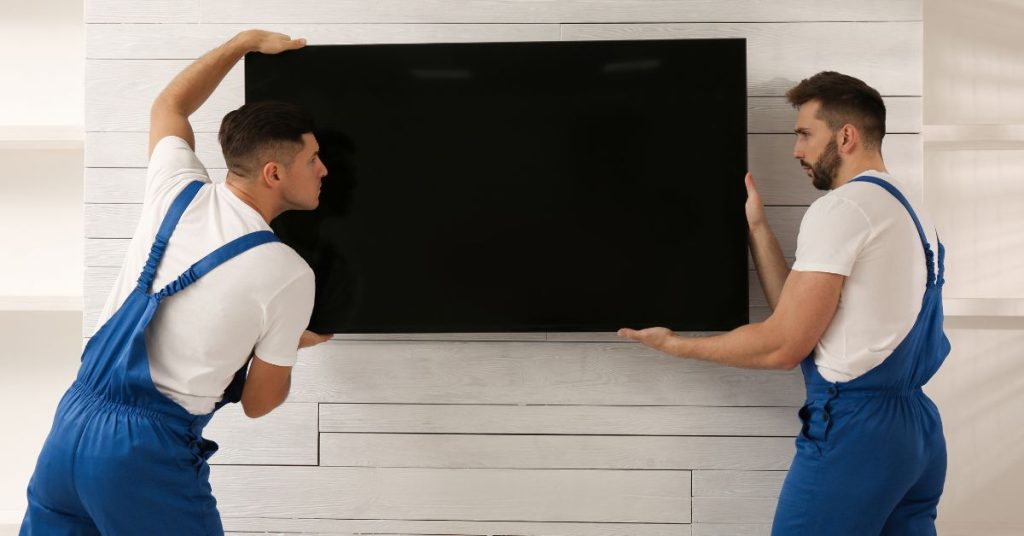
Repairing Plasterboard Damage
Minor mounting damage repairs reasonably when professional mounting becomes necessary or positions change.
Small Fastener Holes: Standard fastener holes fill easily with spackling compound. After drying, light sanding and touch-up painting makes repairs invisible. These minor repairs prove simple and inexpensive.
Larger Anchor Holes: Substantial holes from toggle bolts or failed anchors require patching with plasterboard repair mesh and compound. Proper technique creates seamless repairs matching surrounding surfaces.
Stress Cracks: Crack repair involves opening cracks slightly, filling with flexible compound, applying mesh tape, and finishing with multiple compound coats. Professional repair prevents crack recurrence.
Extensive Damage: Large damaged sections require cutting out damaged plasterboard, installing backing supports, fitting new plasterboard pieces, taping joints, applying compound, and texture matching. This extensive work costs substantially more than professional installation preventing damage initially.
When Professional Installation Protects Walls
Professional expertise prevents damage through proper techniques and appropriate equipment.
Accurate Stud Detection: Commercial-grade equipment locates studs reliably eliminating exploratory drilling damaging walls unnecessarily.
Appropriate Technique: Years of experience develops proper drilling speed, pressure, and fastening torque protecting plasterboard integrity.
Quality Materials: Professional-supplied anchors and fasteners rated appropriately for specific applications prevent failures causing damage.
Problem Recognition: Professionals identify compromised plasterboard requiring repair before mounting, preventing failures after installation completion.
When asking can tv mount damage plasterboard walls in Adelaide, understand that professional mounting creates minimal repairable damage while protecting wall integrity through proper techniques. Golden Antenna brings expertise preventing plasterboard damage through accurate stud location, appropriate mounting techniques, and quality materials.
Located in Adelaide S.A. 5000 and reachable at 0403 711 983, we provide professional mounting services minimizing wall impact while delivering secure installations. Our approach protects your plasterboard walls through proper assessment, precise execution, and appropriate weight distribution preventing damage.
Frequently Asked Questions
Q: Will TV mounting leave permanent marks on plasterboard?
A: Professional mounting creates small fastener holes patching easily if mounting removal becomes necessary. Improper installation causes extensive damage including cracks, crumbling, and large holes requiring professional repair.
Q: Can I mount any size TV on plasterboard walls?
A: Stud mounting supports large TVs safely. Plasterboard-only mounting limits TV weight to approximately 20-25kg regardless of screen size or anchor quality.
Q: How do I repair holes if I remove my mounted TV?
A: Small fastener holes fill easily with spackling compound requiring minimal skill. Larger damage from failed installations requires professional plasterboard repair including patching, taping, and texture matching.
Q: Does mounting to studs still damage plasterboard?
A: Stud mounting creates only small pilot holes through plasterboard accessing structural framing. This minimal damage repairs easily and doesn’t compromise wall integrity.
Q: Will mounting damage moisture-affected plasterboard?
A: Yes—moisture-weakened plasterboard lacks adequate strength for TV mounting. Address moisture problems and repair damaged plasterboard before attempting any TV mounting.
Conclusion
Understanding can tv mount damage plasterboard walls in Adelaide reveals that professional mounting creates minimal repairable damage through proper stud location and appropriate techniques, while improper installation causes extensive problems. Plasterboard characteristics including limited compression strength, edge brittleness, and hollow construction create vulnerability to mounting damage.
Common damage types include anchor pull-through, stress cracks, surface crushing, and complete failures requiring expensive repair. Proper techniques involving stud mounting, appropriate anchors, correct drilling, and weight distribution minimize damage. Adelaide’s climate and construction variations affect plasterboard mounting considerations.
Professional installation prevents damage through expertise, proper equipment, and proven techniques. Golden Antenna protects plasterboard walls through professional mounting services. Contact us at 0403 711 983 for installations minimizing damage while delivering secure results.
